
Junta counteroffensive and Kyaukme recapture
- When
- September to December 2025
- Where
- Northern Shan
- Sides
- Tatmadaw vs TNLA
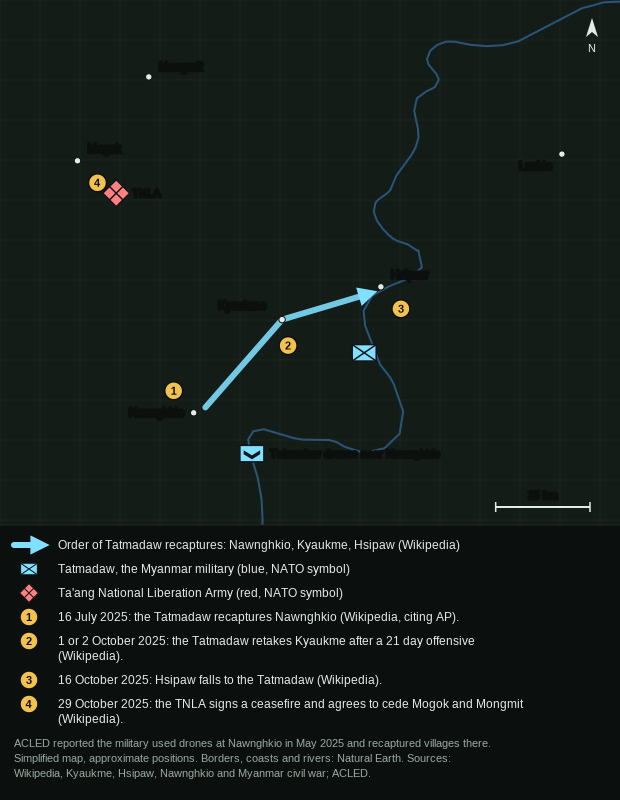
In September and October 2025 the Myanmar military, the Tatmadaw, retook the northern Shan State town of Kyaukme from the Ta'ang National Liberation Army (TNLA) after what Wikipedia calls a 21 day offensive, and the counteroffensive went on to Hsipaw and the Mogok area. ACLED reported in 2025 that the military had shifted from aging warplanes toward its own drone force, learning from resistance groups.
What happened
Wikipedia records that the TNLA captured most of Kyaukme in June 2024 when it restarted Operation 1027 in northern Shan State. Wikipedia says the Tatmadaw recaptured Nawnghkio on 16 July 2025. Wikipedia dates the retaking of Kyaukme to 1 or 2 October 2025. Hsipaw fell to the Tatmadaw on 16 October. On 29 October the TNLA signed a ceasefire and agreed to cede Mogok and Mongmit; Major General Tar Bone Kyaw said the group was forced to sign by ammunition and funding shortages. By mid November, Burma News International reported that 11.3 percent of the territory lost during Operation 1027 had been retaken. Junta administrators and police had already returned to Lashio on 18 April 2025 under a deal with the MNDAA, which took the town in the Battle of Lashio.
The drones
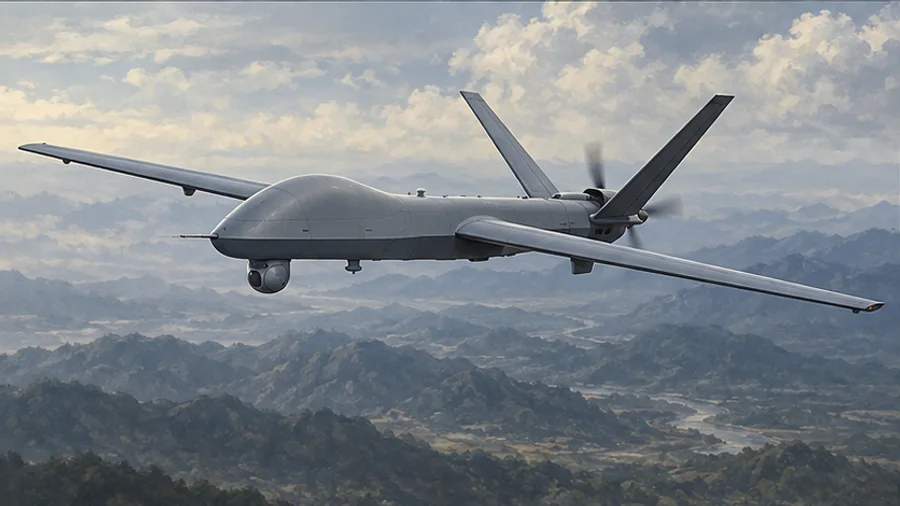
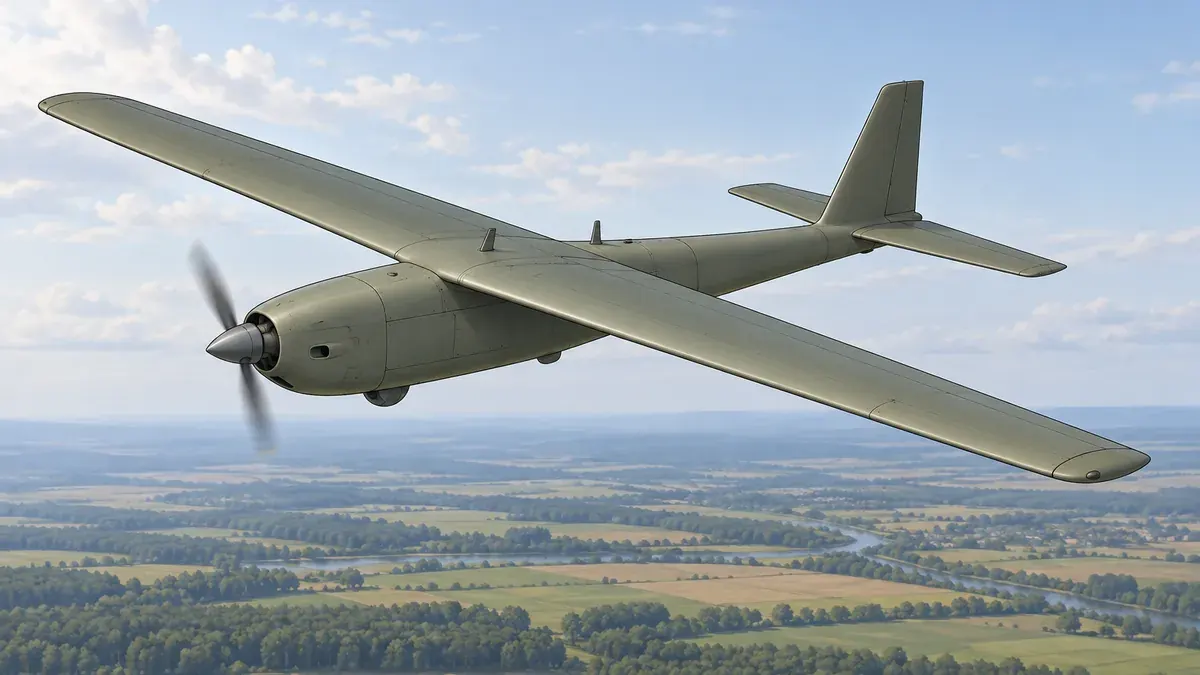
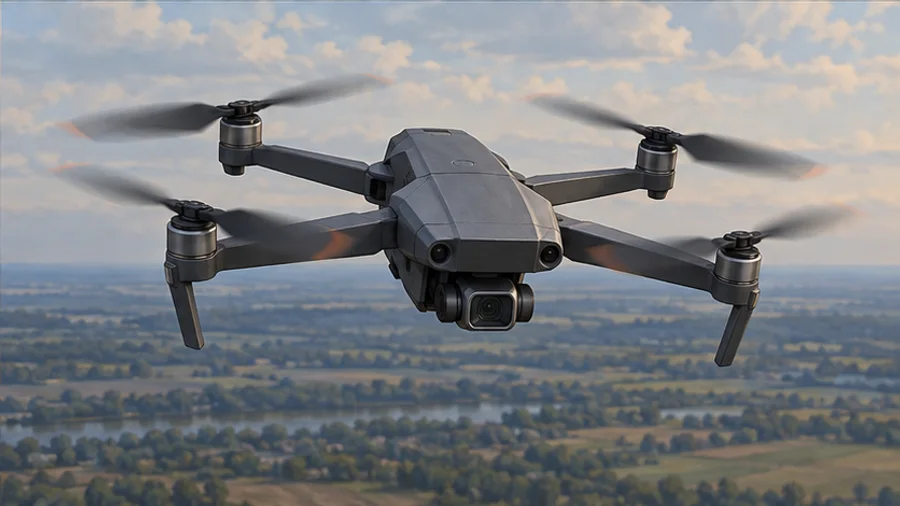
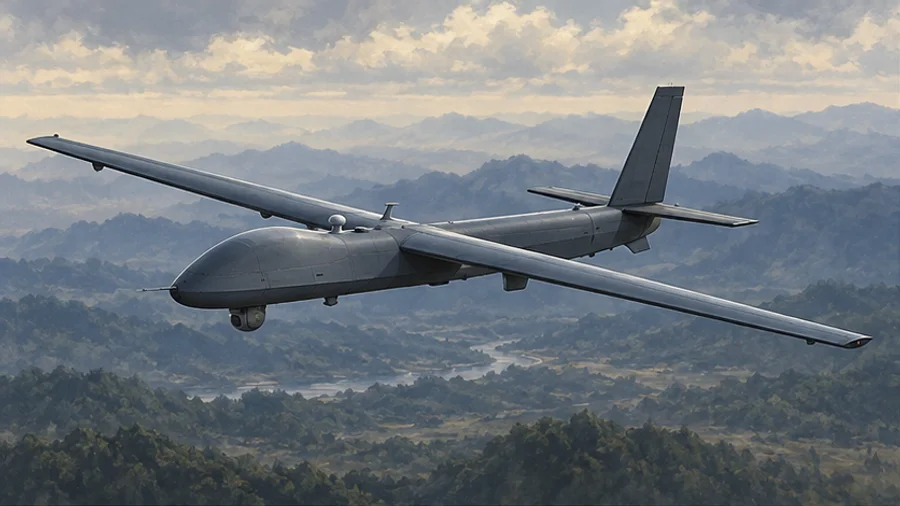
Wikipedia lists the CASC Rainbow CH 3A and CH 4 as armed drones, with the CH 4 Rainbow built under licence, plus 11 Sky 02 surveillance drones and 22 Yellow Cat A2 drones. ACLED's list gives the CH 4 a payload of 345 kg and an endurance of 40 hours, and the CH 3 a payload of 100 kg. It also lists the Russian made Orlan 10E reconnaissance drone at 16 hours of endurance and the DJI Mavic at 50 minutes. The analyst David Scott Mathieson wrote in Myanmar Now that the military also had large Chinese agricultural quadcopters. ACLED listed the Iranian Shahed 136 as not yet used.
How they were used
ACLED reported that the military used reconnaissance drones to guide artillery and to locate resistance fighters so that air power could be called in, and used kamikaze drones that hover, pick a target and attack. ACLED named Nawnghkio as one of three active sites for this in May 2025 and said the military recaptured the villages of Mae Poke and Naung Lin there from the TNLA. Mathieson wrote that in Tanintharyi it sent many drones ahead of ground assaults. ACLED said the military's major bases had jammers that disrupt four channel drones out to 1,000 m, while most resistance drones had only three channels. ACLED recorded more than 570 military drone strikes in at least 340 locations, killing at least 191 people, at least 158 of them civilians.
What effect they had
ACLED said that resistance drone use fell as jamming increased and supply chains were disrupted, and that an agricultural drone adapted for combat rose from about 3,000 dollars in 2023 to about 6,250 dollars. It wrote that 2025 appeared to be the year the military might gain a clear advantage, but that air superiority was unlikely to decide the ground balance alone. The ground results followed in late 2025: Kyaukme, Hsipaw, then the TNLA withdrawal from Mogok and Mongmit under the October ceasefire.
For the classroom
- Why would reconnaissance drones matter more to a military with many artillery pieces and few infantry?
- How did jammers change the balance between the military's drones and the drones of the TNLA?
- Why would a ceasefire follow so soon after the TNLA lost Kyaukme and Hsipaw?
Sources
- Wikipedia: Operation 1027
- Wikipedia: Kyaukme
- Wikipedia: Myanmar civil war (2021–present)
- Wikipedia: Myanmar Air Force
- Wikipedia: Nawnghkio
- Wikipedia: Hsipaw
- The war from the sky: How drone warfare is shaping the conflict in Myanmar (ACLED, 2025)
- The evolution of warfare in Myanmar (Myanmar Now, 2024)
Written 2026-10-04.