
NATO bombing of Yugoslavia
- When
- 24 March to 10 June 1999
- Where
- Kosovo and Serbia
- Sides
- NATO vs Yugoslavia
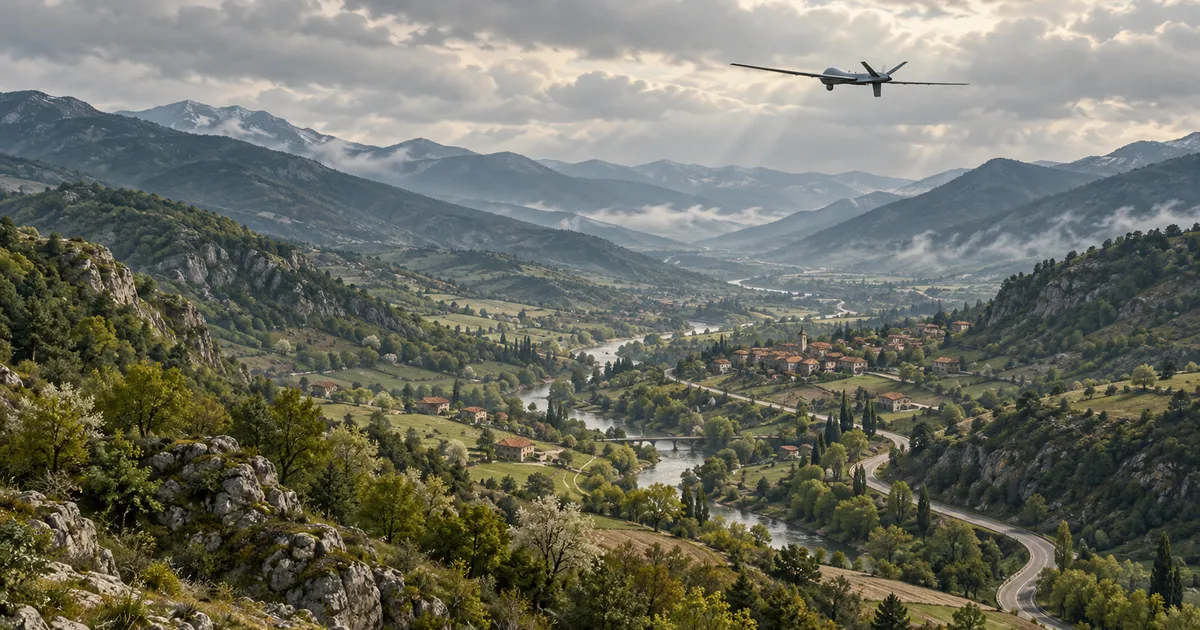
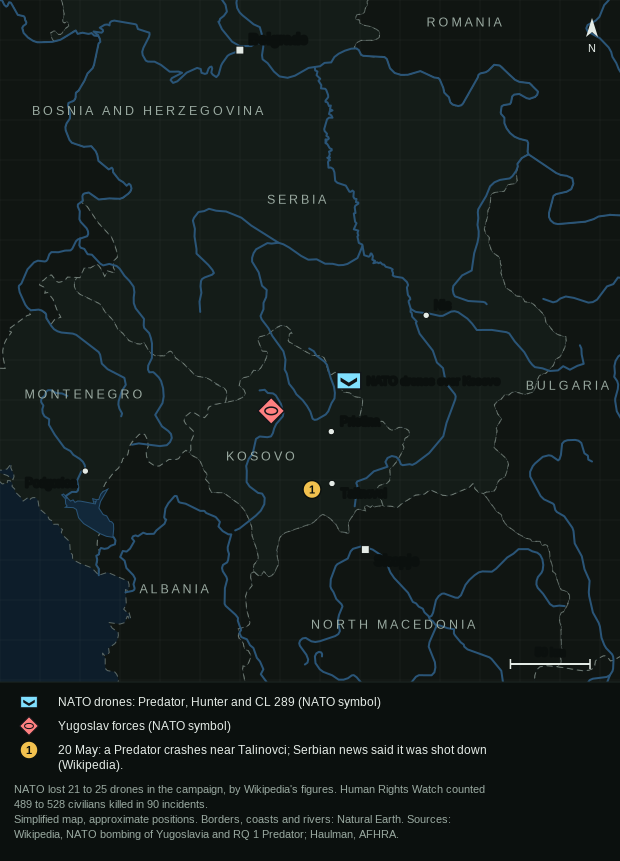
From 24 March to 10 June 1999, NATO bombed the Federal Republic of Yugoslavia in an air campaign it called Operation Allied Force, and NATO members flew several types of reconnaissance drone over Kosovo and Serbia. Wikipedia names the sides as NATO and the Federal Republic of Yugoslavia. The drones watched Yugoslav forces, but they were few in number compared with manned aircraft, and many were lost.
What happened
Wikipedia reports that NATO flew 26,095 sorties over 78 days, an average of 334 a day. The campaign ended with the Kumanovo Agreement, the withdrawal of Yugoslav forces from Kosovo and United Nations Security Council Resolution 1244. Human Rights Watch concluded that between 489 and 528 Yugoslav civilians were killed in ninety separate incidents, as Wikipedia records.
The drones
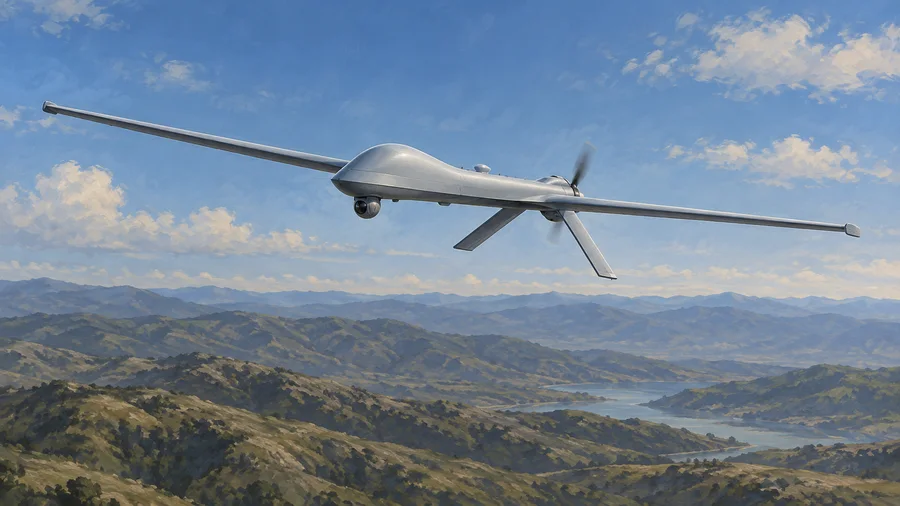
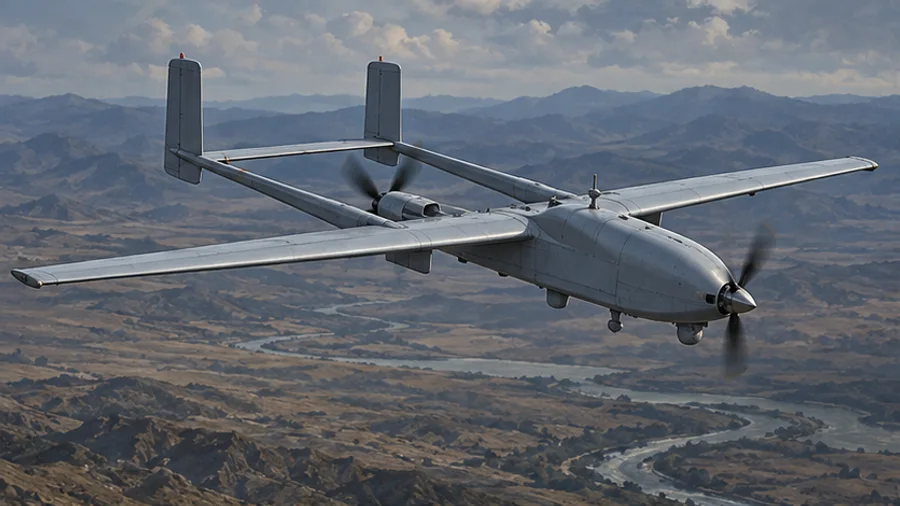
The United States Air Force flew the RQ 1 Predator, which Wikipedia lists at 8.23 m long with a 14.8 m wingspan, an endurance of about 24 hours and a cruise speed of 130 to 170 km/h. The United States Army flew the RQ 5 Hunter, 7.01 m long with a 10.57 m wingspan and an endurance of about 21 hours, according to Wikipedia. The German and French armies flew the CL 289, a jet powered drone that Army Technology describes as 3.48 m long, launched from a truck by a booster rocket, flying at about 725 km/h over a range of 200 km and landing by parachute.
How they were used
The drones were used mainly to watch Yugoslav forces and positions in Kosovo. The Wikipedia article on the Hunter states that it flew for more than 4,000 hours during the campaign. Daniel Haulman, in a 2003 study for the Air Force Historical Research Agency, writes that the Air Force fitted some Predators with laser designators so that they could mark armoured targets, but the war ended before this could be used in combat. Haulman also found coordination problems: Predators and Army Hunters sometimes arrived over the same target at once and ended up filming each other.
What effect they had
Haulman notes that on some days there were as many as 300 manned strike sorties while only four drones were in the air at a time. Wikipedia gives two figures: 21 drones lost to technical failure or enemy action, including at least seven German and five French aircraft, and 25 lost in total. The Wikipedia article on the Hunter says at least seven Hunters were lost, one of them shot down by machine gun fire from a Yugoslav Mi 8 helicopter. The Predator article lists one Predator lost to fuel problems and icing on 18 April, one shot down by a Strela 1M missile on 13 May and one that crashed on 20 May, which Serbian news attributed to anti aircraft fire. Writing for The EurAsian Times in 2024, Sakshi Tiwari reports that a Yugoslav general claimed 30 drones shot down. Wikipedia notes that all later Predators carried a laser designator so that the operator could mark targets for other aircraft.
Related battles
For the classroom
- Why might a commander still value four drones over the battlefield when 300 manned sorties are flying?
- NATO and Yugoslav figures for drone losses differ. Why do the two sides have reasons to count differently?
- What problem does it reveal when two drones from different services end up watching each other?
Play this battle in the simulation
Take either side in the scenario built on this battle, with the same drones on a real map.
Sources
- Wikipedia: NATO bombing of Yugoslavia
- US Unmanned Aerial Vehicles in Combat, 1991 to 2003 (AFHRA)
- Wikipedia: IAI RQ 5 Hunter
- Wikipedia: General Atomics MQ 1 Predator
- CL 289 Reconnaissance UAV (Army Technology)
- Stealth Jet, 20+ UAVs Shot Down (The EurAsian Times, 2024)
Written 2026-10-03.