
Operation Spring Shield
- When
- 27 February to 6 March 2020
- Where
- Idlib, Syria
- Sides
- Turkey vs Syria, with Iran, Hezbollah and Russian support
- Drones
- Bayraktar TB2, TAI Anka
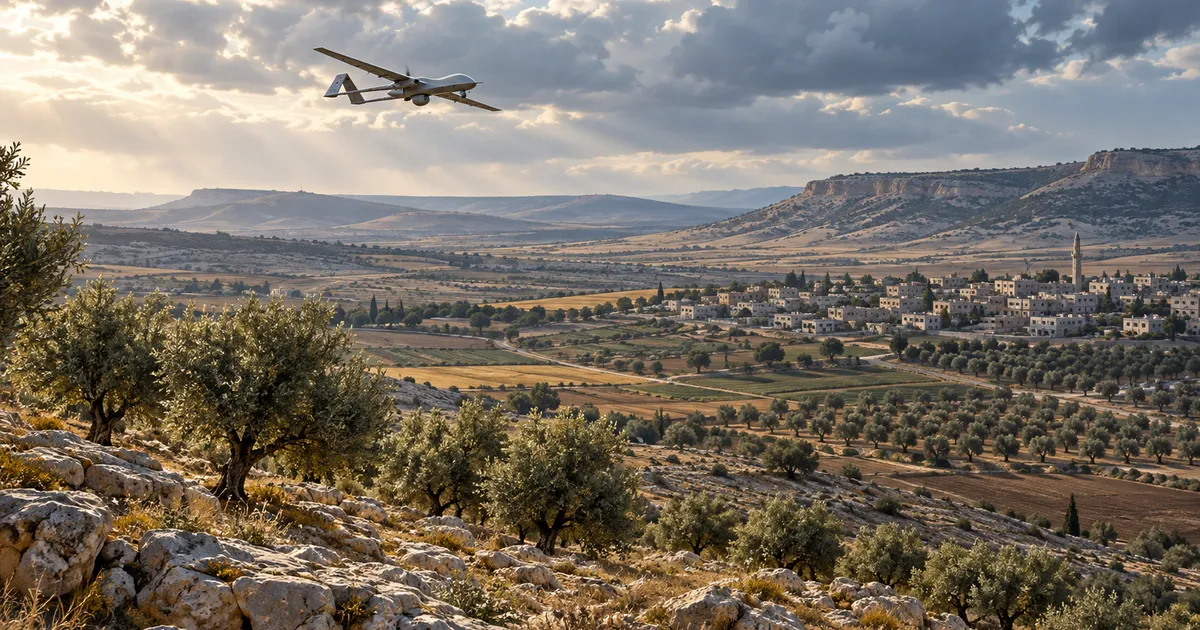
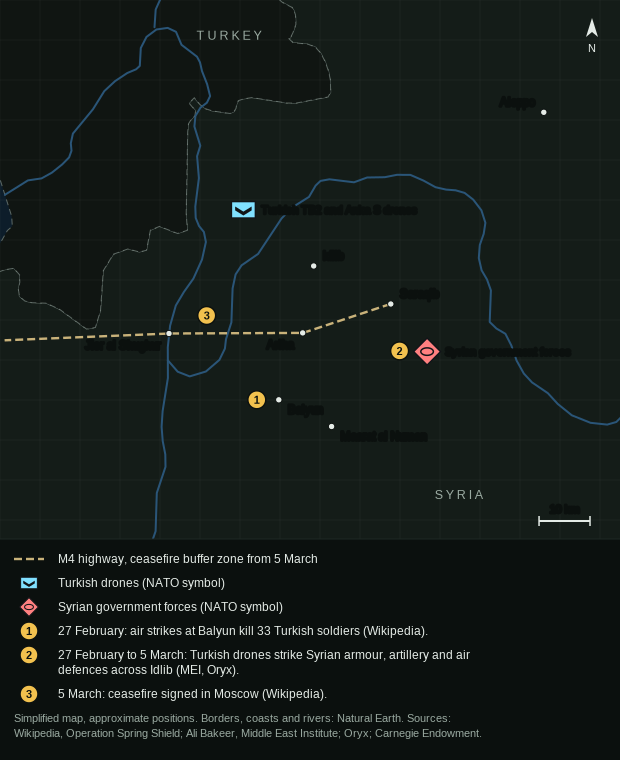
From 27 February to 6 March 2020, Turkey struck Syrian government forces in Idlib province with armed drones on a large scale, after an air strike killed 33 Turkish soldiers at Balyun. Wikipedia names the sides as Turkey against Syria, Iran and Hezbollah, with Russia supporting the Syrian side. Bayraktar TB2 and Anka S drones, backed by electronic warfare, hit Syrian armour, artillery and air defences until a ceasefire agreed in Moscow on 5 March.
What happened
In early 2020 Syrian government forces were advancing into Idlib, the last area held by rebel forces. On 27 February air strikes at Balyun killed 33 Turkish soldiers, according to Wikipedia, and Turkey responded with Operation Spring Shield. On 5 March the Turkish and Russian presidents signed a ceasefire agreement in Moscow that set a buffer zone along the M4 highway, with joint patrols from 15 March.
Scenario: Operation Spring Shield (27 February to 5 March 2020)
The drones
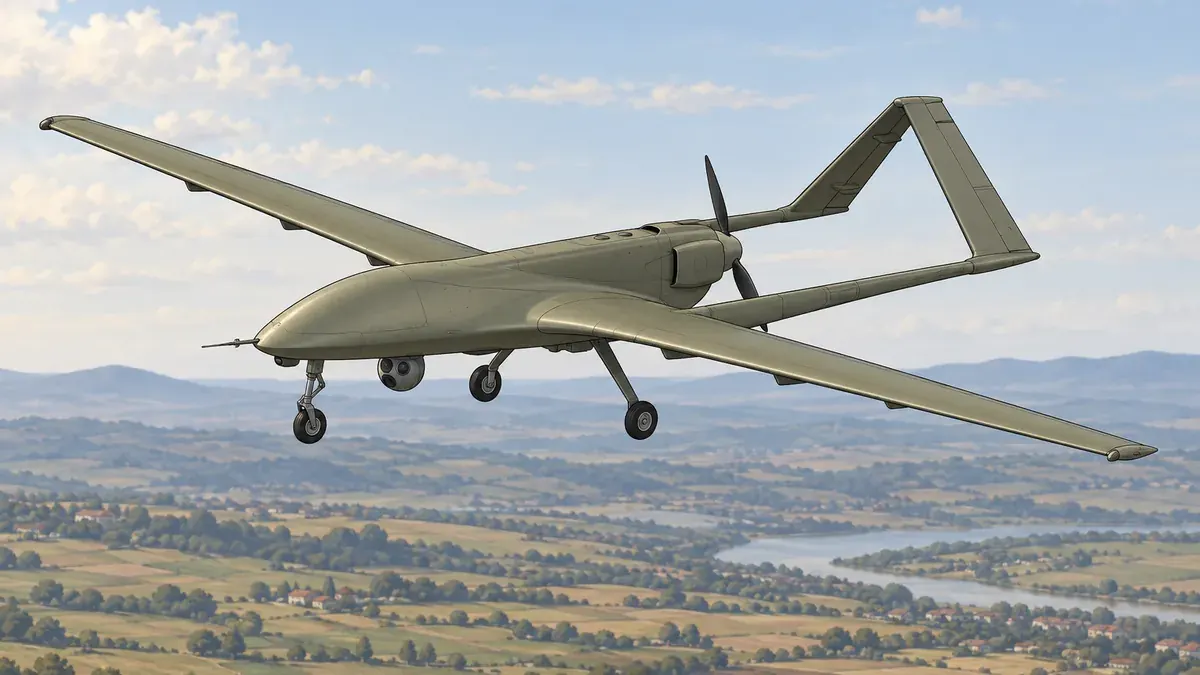
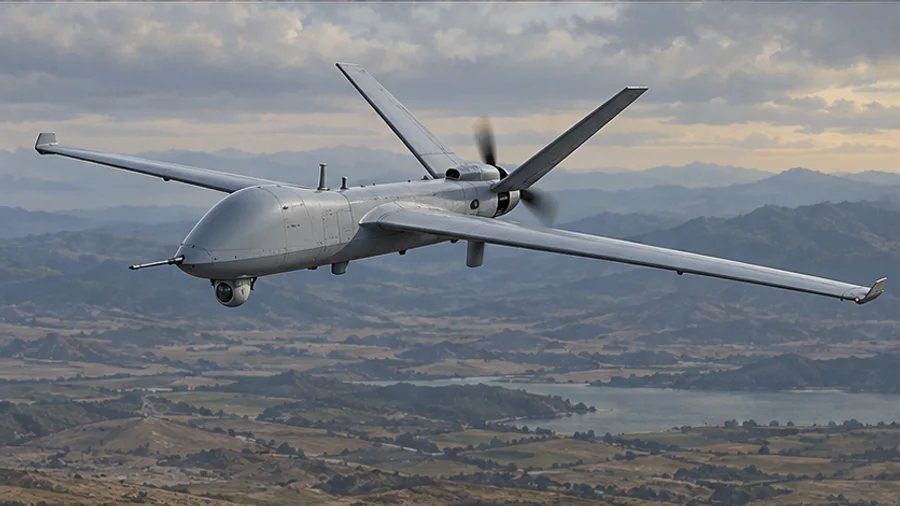
Turkey flew the Bayraktar TB2, which Wikipedia lists at 6.5 m long with a 12 m wingspan, an endurance of more than 20 hours and a ceiling of 7,620 m, and the TAI Anka S. Ali Bakeer of the Middle East Institute wrote in March 2020 that the drones carried MAM L and MAM C precision guided munitions with ranges of up to 14 km, and were supported by the KORAL electronic warfare system, which can locate and classify radar signals. Wikipedia states that KORAL could create false images on enemy radar.
How they were used
Bakeer calls the operation the largest deployment of Turkish drones to date in scale and intensity. Drones searched for and struck Syrian tanks, artillery, rocket launchers and air defence systems across Idlib while electronic warfare targeted Syrian radars. Bakeer writes that video showed Turkish drones destroying at least two Pantsir S1 air defence systems with their radars active. Wikipedia reports that two Syrian Su 24 jets and one L 39 were shot down during the operation, and lists four Turkish drones lost, including at least one TB2 and one Anka S.
What effect they had
Figures for Syrian losses vary by source. Turkey's defence ministry claimed 3,159 Syrian personnel killed or wounded, eight helicopters and three aircraft, while the Syrian Observatory for Human Rights counted 170 soldiers and 27 militiamen killed, as Wikipedia records. Oryx, which counts only losses shown in photographs or video, listed losses to Turkish and rebel forces in this fighting that included 50 Syrian tanks destroyed or captured, 26 self propelled guns, 12 rocket launchers and three air defence systems, including two Pantsir S1, and noted that the true totals are likely higher. Francesco Siccardi of the Carnegie Endowment wrote in 2021 that a series of Turkish drone strikes halted the Syrian advance to take Idlib. Bakeer argued that the campaign showed drones could serve as the main air power of a state in a conventional fight without traditional fighter aircraft.
Related battles
For the classroom
- Why might a state choose drones instead of manned jets when the other side is backed by a major military power?
- Turkish, Syrian Observatory and Oryx figures differ widely. What is each source counting, and how should a reader compare them?
- What role did electronic warfare play alongside the drones?
Play this battle in the simulation
Take either side in the scenario built on this battle, with the same drones on a real map.
Sources
- Wikipedia: Operation Spring Shield
- The fight for Syria's skies: Turkey challenges Russia with new drone doctrine (Middle East Institute, 2020)
- The Idlib Turkey Shoot (Oryx)
- How Syria Changed Turkey's Foreign Policy (Carnegie, 2021)
- Wikipedia: Baykar Bayraktar TB2
Written 2026-10-03.