
Rakhine offensive (2023–present)
- When
- November 2023 onward
- Where
- Rakhine and Chin, Myanmar
- Sides
- Arakan Army vs Tatmadaw
The Rakhine offensive began on 13 November 2023, when the Arakan Army launched an attack on Myanmar's military junta in Rakhine State and southern Chin State, and Wikipedia records it as ongoing. Wikipedia names the sides as the Government of Myanmar, with the State Administration Council until 2025, and the Arakan Army with allied People's Defence Force units. Both sides used drones: ACLED reports that the first military drone strike in Myanmar hit the Arakan Army at Myebon in 2020, and that the junta built up its own drones from 2024.
What happened
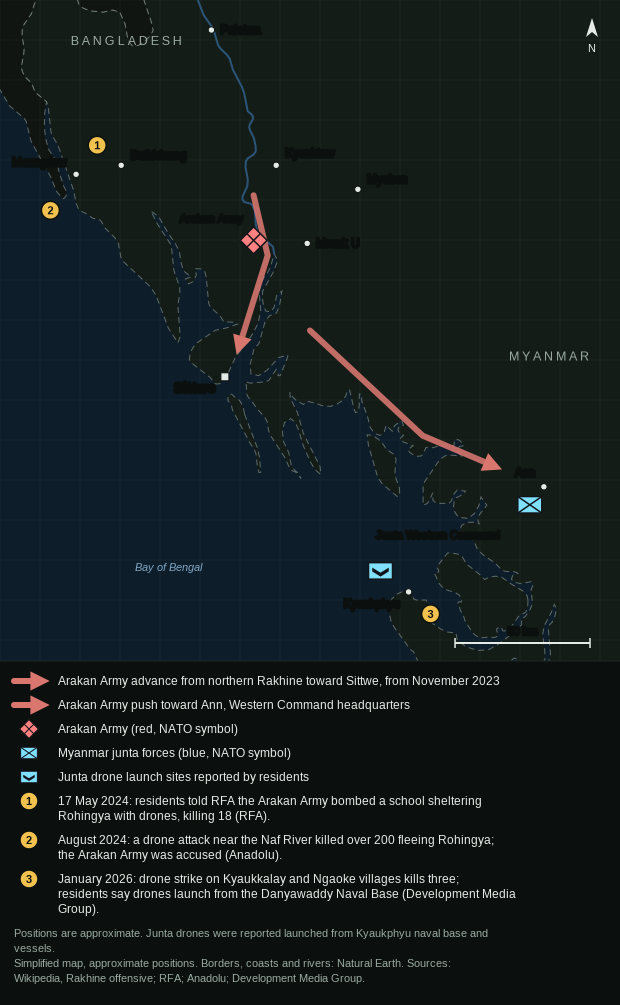
The offensive started alongside Operation 1027 and broke an informal ceasefire that had held for about a year. Wikipedia records that the Arakan Army took towns in northern Rakhine including Mrauk U, gained control of most of northern Arakan, and besieged Sittwe, the state capital, and Ann, the headquarters of the junta's Western Command. Wikipedia adds that it also captured towns in the south and, since 2025, has pushed into Bago, Magway and Ayeyarwady. Al Jazeera reported in September 2025 that the Arakan Army held 14 of Rakhine's 17 townships. Development Media Group reports that the Battle of Kyaukphyu, in Kyaukphyu township, began on 20 February 2025.
The drones
ACLED's Su Mon wrote that resistance groups in Myanmar adapted commercial photography and farm drones into attack drones with small explosives, and that converted agricultural drones cost about 3,000 dollars in 2023 and about 6,250 dollars by 2025. ACLED lists junta drones, from media reports and interviews, including the Chinese made DJI Mavic quadcopter with a 100 g payload, the Russian Orlan 10 E with a 6 kg payload and 16 hours of endurance, and the Chinese CH 4, listed with a 345 kg payload and 40 hours of endurance. ACLED also describes an improvised delta wing drone with a 2 kg payload, inspired by the Iranian Shahed 136.
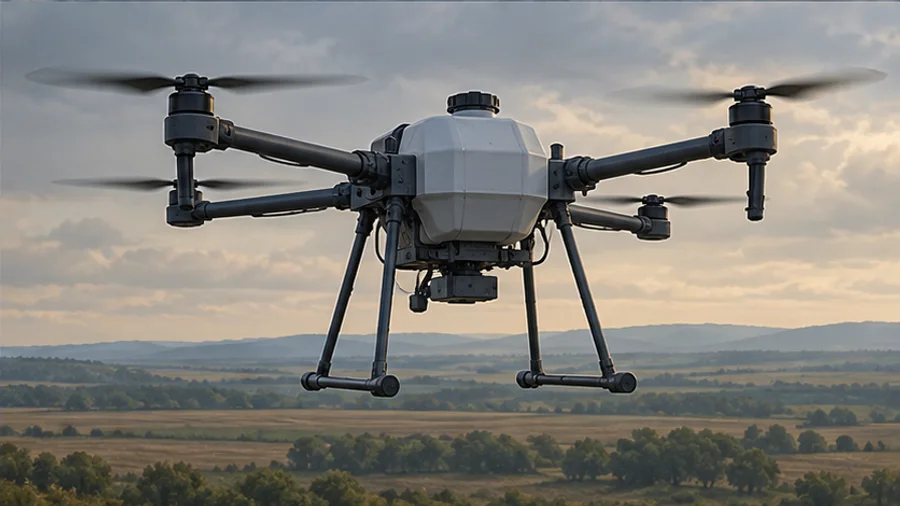 Converted farm spraying dronesBomber droneMostly Chinese made agricultural drones
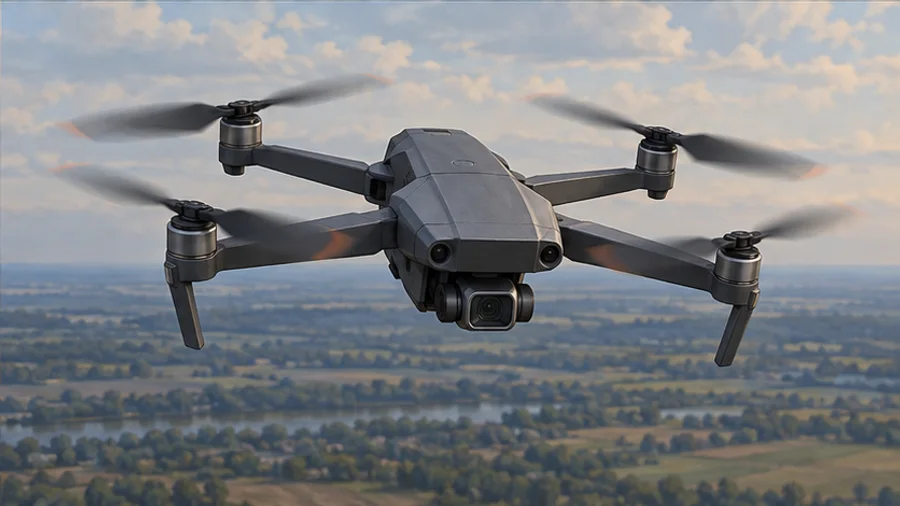 Commercial quadcopter (DJI Mavic and similar)Recon quadcopterMostly China (DJI) and others
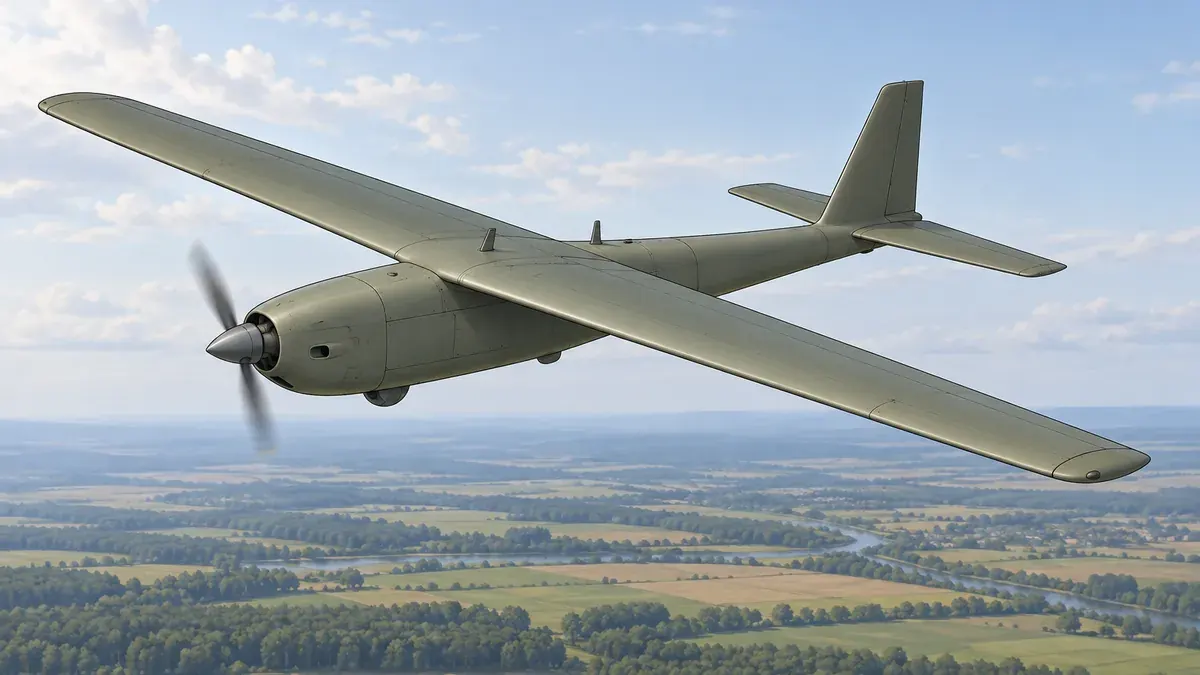 Orlan-10Recon aircraftRussia (Special Technology Centre)
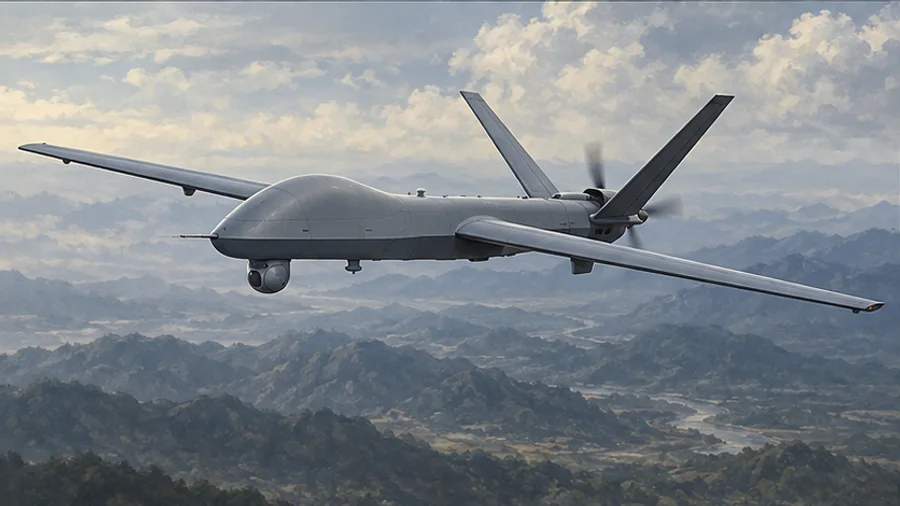 CH-4 RainbowStrike droneChina (CASC)
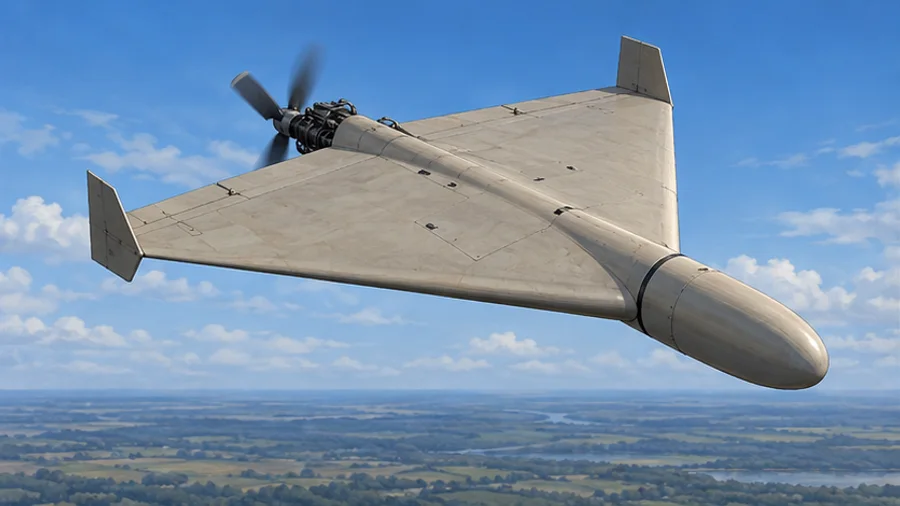 Shahed-136 / Geran-2Long range attack droneIranian design, mass produced in Russia as Geran-2
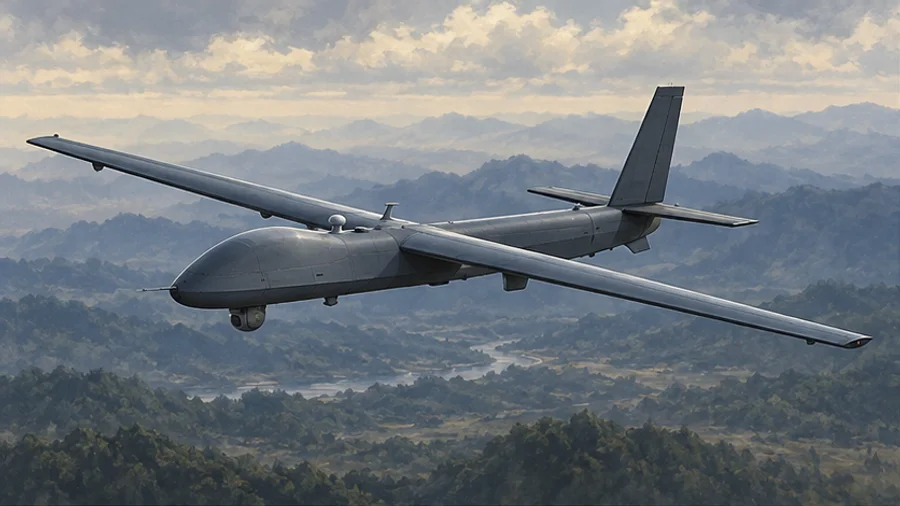 Myanmar military drone unitsBomber droneCommercial and Chinese made drones
How they were used
RFA reported on 18 May 2024 that, after junta airstrikes killed 12 Rohingya civilians in Buthidaung township, the Arakan Army bombed a school with drones where Rohingya were sheltering, killing 18, according to residents. About 200 people were wounded, a resident told RFA. Anadolu reported in August 2024 that a drone attack near the Naf River killed over 200 fleeing Rohingya and that the Arakan Army was accused of carrying it out. Development Media Group reported that the junta's drones struck Kyaukkalay and Ngaoke villages in January 2026, killing three people, and that residents said the drones were launched from the Danyawaddy Naval Base and from vessels in the Bay of Bengal and on the Thanzit River.
What effect they had
ACLED recorded more than 570 junta drone strikes in at least 340 locations by May 2025, killing at least 191 people, at least 158 of them civilians. ACLED said the junta formed a dedicated drone unit in early 2024 after training support from China and Russia, and that military drone units had begun to slow resistance advances elsewhere, as at Bhamo. Development Media Group counted at least 30 people killed or injured by drones in nine Kyaukphyu villages from March 2025 to March 2026. RFA noted that phone and internet links were down in Buthidaung, so it could not confirm the accounts.
For the classroom
- Why would a force with no air force, such as the Arakan Army, turn to adapted commercial drones?
- Residents in Kyaukphyu said junta drones launched from ships and a naval base. How does a launch point at sea change what a defender can do about them?
- Why would cutting phone and internet links in Buthidaung make drone strikes on civilians harder for the outside world to learn about?
Sources
- Wikipedia: Rakhine offensive (2023 to present)
- The war from the sky: how drone warfare is shaping the conflict in Myanmar (ACLED, 2025)
- Junta intensifies drone attacks on civilians in Kyaukphyu (Development Media Group, 2026)
- About 30 Rohingya killed in clashes between Myanmar junta, insurgents (RFA, 2024)
- Hundreds of fleeing Rohingya forced to return from Bangladesh border after drone strike (Anadolu, 2024)
- Students among 18 killed in Myanmar strike on Rakhine schools (Al Jazeera, 2025)
Written 2026-10-04.