
Shahed mass raids and interceptor drones
- When
- 2025
- Where
- Ukraine nationwide
- Sides
- Russia vs Ukraine
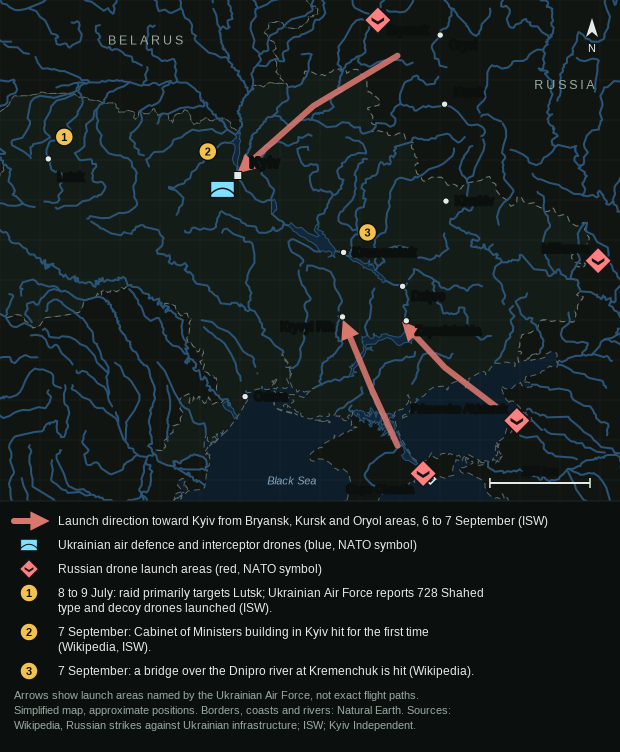
In 2025 Russia sent Shahed type and decoy drones against Ukraine in numbers that broke the record several times, and Ukraine answered with cheap interceptor drones, above all the Sting built by the Wild Hornets group. The Ukrainian Air Force counted 728 drones on the night of 8 to 9 July and 810 on the night of 6 to 7 September. Wikipedia places these raids inside the Russian strikes against Ukrainian infrastructure, with Russia and Ukraine as the two sides.
What happened
Wikipedia records that the strikes of 3 to 4 July 2025 broke the daily record for Russian long range drone launches, and that the 8 to 9 July raid set a new one with 728 drones aimed at ten of 23 oblasts, including Lutsk in Volyn Oblast. The Ukrainian Air Force said 296 Shahed type drones were shot down and 415 were lost or suppressed by electronic warfare, ISW reported. Colonel Yuriy Ihnat said more than 400 of the drones were decoys. On 6 to 7 September Russia launched 810 drones, nine Iskander K cruise missiles and four ballistic missiles, ISW reported. Wikipedia states that the Cabinet of Ministers building in Kyiv was hit for the first time and that four people were killed and 44 injured across Ukraine.
The drones
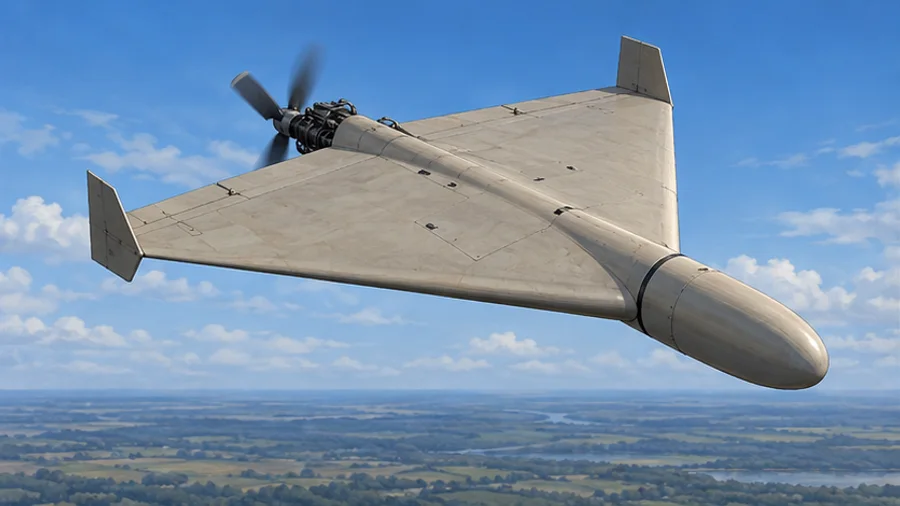
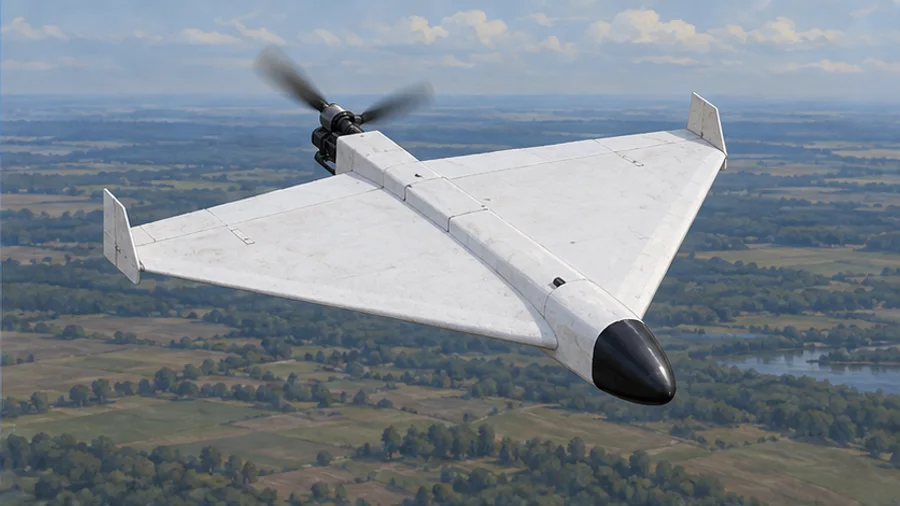
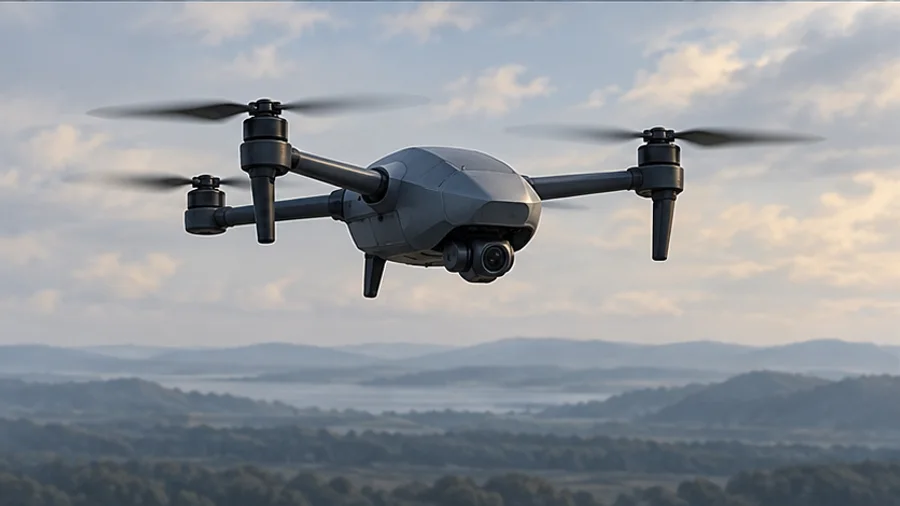
The main Russian drone is the Shahed 136, called Geran 2 in Russian service. Wikipedia lists it at 3.5 m long with a 2.5 m wingspan, a warhead of 52 or 90 kg and a range of 2,500 km, or 1,000 km with the heavier warhead. The Gerbera is a decoy variant that ISW says Russia has scaled up. The Sting is a Ukrainian interceptor drone: Wikipedia describes a 3D printed, four rotor quadcopter with a top speed of 343 km/h, a thermal camera and an engagement range of up to 25 km, costing about $2,100 against about $35,000 for a Shahed.
How they were used
ISW listed launch areas around Kursk, Bryansk, Oryol, Millerovo, Primorsko Akhtarsk and Crimea for the September raid, which lasted 7.5 hours according to President Volodymyr Zelensky. Zelensky also said Ukrainian forces used interceptor drones to repel the July strike and downed "tens" of drones. Wikipedia dates the Sting's first public success to April 2025, when a video of a Sting downing a Shahed spread widely. On 19 April 2026 the Kyiv Independent reported the first interception of a Shahed type drone by an interceptor launched from an unmanned surface vessel, by the 412th Nemesis Brigade.
What effect they had
Wikipedia sets a Shahed at about $20,000 against $400,000 to $1.2 million for an air to air missile or ground based interceptor. Wild Hornets claims its Sting had destroyed over 3,900 Shahed and Geran drones by February 2026 and 9,000 by June 2026. Wikipedia records that in December 2025 a Sting became the first interceptor to down a Geran 3, a jet powered variant, and cites the maker's claim of 70 percent of jet powered interceptions in April 2026. The Kyiv Independent reported that on the night of 4 October 2026 the Air Force counted 52 jet powered drones among 135 launched, part of the Jet powered Geran raids. ISW assessed that the larger raids disproportionately hit civilian areas.
Related battles
For the classroom
- Why did the Ukrainian Air Force count drones lost to electronic warfare separately from drones shot down?
- What does a raid with more than 400 decoys do to a defender with limited missiles?
- Why would a cheap interceptor drone suit a defender facing hundreds of Shaheds in one night?
Sources
- Wikipedia: Russian strikes against Ukrainian infrastructure
- Wikipedia: Sting (drone)
- Wikipedia: HESA Shahed 136
- Russian Offensive Campaign Assessment, July 9, 2025 (ISW)
- Russian Offensive Campaign Assessment, September 7, 2025 (ISW)
- Ukraine carries out first ever interception of Shahed using naval drone platform (Kyiv Independent, 2026)
Written 2026-10-04.