
Jet powered Geran raids
- When
- June to September 2026
- Where
- Ukraine nationwide
- Sides
- Russia vs Ukraine
From June to September 2026, Russia launched growing numbers of jet powered Geran drones against Ukraine, and Ukrainian air defences stopped a smaller share of them than of propeller driven drones. Wikipedia names the sides as Russia and Ukraine. Ukrainian Air Force spokesman Yurii Ihnat said about 2,800 jet powered drones were launched in August, compared with about 1,500 in July.
What happened
Wikipedia records that in May 2026 Russian forces intensified combined daytime and nighttime drone and missile attacks on Kyiv and other cities. Al Jazeera reported on 4 September that civilian deaths had risen sharply over the summer. Al Jazeera reported that 38 people were killed in the village of Myla on 29 August when a Russian drone attack struck an ammunition depot, and that another 12 were killed in attacks across the country on 1 September. The raids belong to the wider Russian strikes against Ukrainian infrastructure, and Ukraine's earlier answer to mass drone launches came in the Shahed mass raids and interceptor drones.
The drones
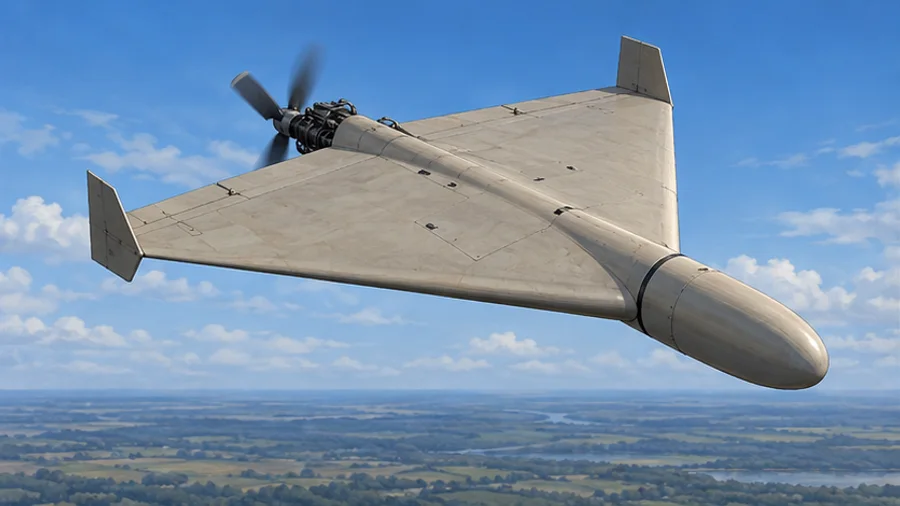
Wikipedia lists the Shahed 238, called Geran 3 in Russian service, as a turbojet powered one way attack drone derived from the Shahed 136. A Russian major general told Sputnik it could reach 800 km/h in a dive, while Iran claims 500 km/h. It lists the Geran 4 as first used in May 2026, flying at 500 km/h with a 50 kg warhead and a range of 600 to 850 km, per Ukrainian intelligence. The Geran 5, deployed on 11 January 2026, is listed at up to 600 km/h with a 90 kg warhead and a 1,000 km strike range, according to Ukraine's military intelligence service, HUR. Al Jazeera said jet drones fly at about half the speed of a passenger jet.
How they were used
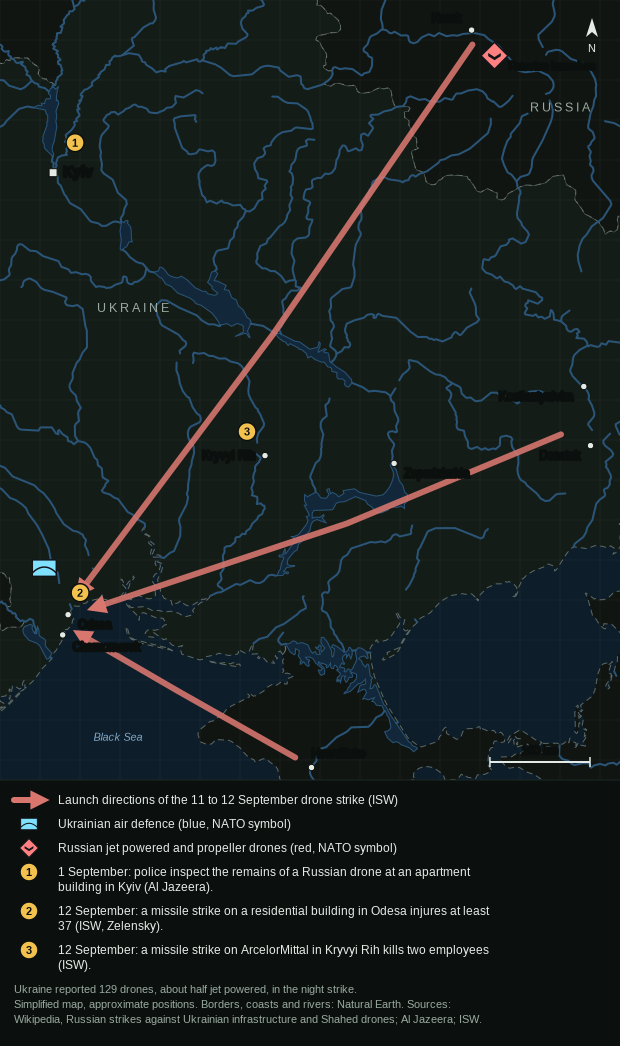
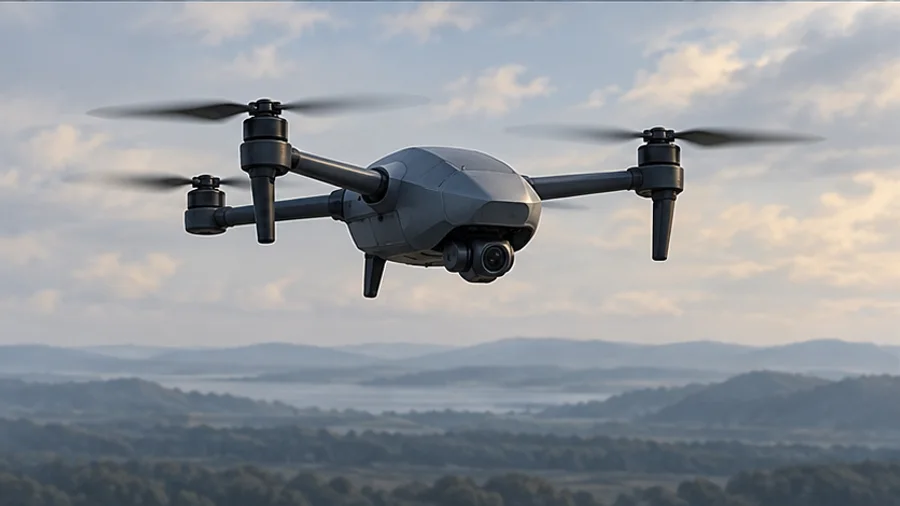
ISW reported that on the night of 11 to 12 September Russia launched 129 Shahed type drones, about half of them jet powered, with S8000 Banderol loitering munitions and Parodiya type decoys. They came from the directions of Kursk, Oryol, occupied Donetsk City and Hvardiiske in occupied Crimea, and the Ukrainian Air Force said they mainly targeted Odesa Oblast. During the day on 12 September, ISW said, Russia launched 410 strike drones, including 37 jet powered ones. ISW assessed that the larger share of older drone types that day suggested the aim was to disrupt and scare ordinary Ukrainians.
What effect they had
Ihnat said Ukraine intercepts more than 90 percent of propeller driven drones but only 60 percent of the jet powered variant. The air force reported that on 12 September Ukrainian forces downed 336 of the 410 daytime drones, including 23 of the 37 jet powered ones. It said 101 of the 129 night drones were shot down. President Volodymyr Zelensky reported that a missile strike on a residential building in Odesa injured at least 37 people and a drone strike on a hotel in Chornomorsk injured at least 11. Al Jazeera reported that Ukraine had turned its strikes toward Russian air defences, radars and drone launch sites, destroying 33 air defence elements in August, while hitting 12 refineries in the Deep strike campaign. Wikipedia states that on 19 September the SBU released footage of a new interceptor drone downing a Geran 5.
For the classroom
- Why would a faster drone be harder to intercept than a propeller driven drone?
- Ihnat gave 90 percent and 60 percent interception rates, and the air force gave 23 of 37 on one day. What do those figures show?
- Why did Russia launch older drone types in large numbers on 12 September alongside the jet powered ones?
Sources
- Wikipedia: Russian strikes against Ukrainian infrastructure
- Russia's jet powered drones overwhelm Ukraine (Al Jazeera, 2026)
- ISW, Russian Offensive Campaign Assessment, 12 September 2026
- Wikipedia: Shahed drones (Shahed 238, Geran 3, 4 and 5)
Written 2026-10-04.