
Yom Kippur War
- When
- 6 to 25 October 1973
- Where
- Suez Canal front and Golan Heights
- Sides
- Israel vs Egypt and Syria
- Drones
- IAI Scout, Tadiran Mastiff
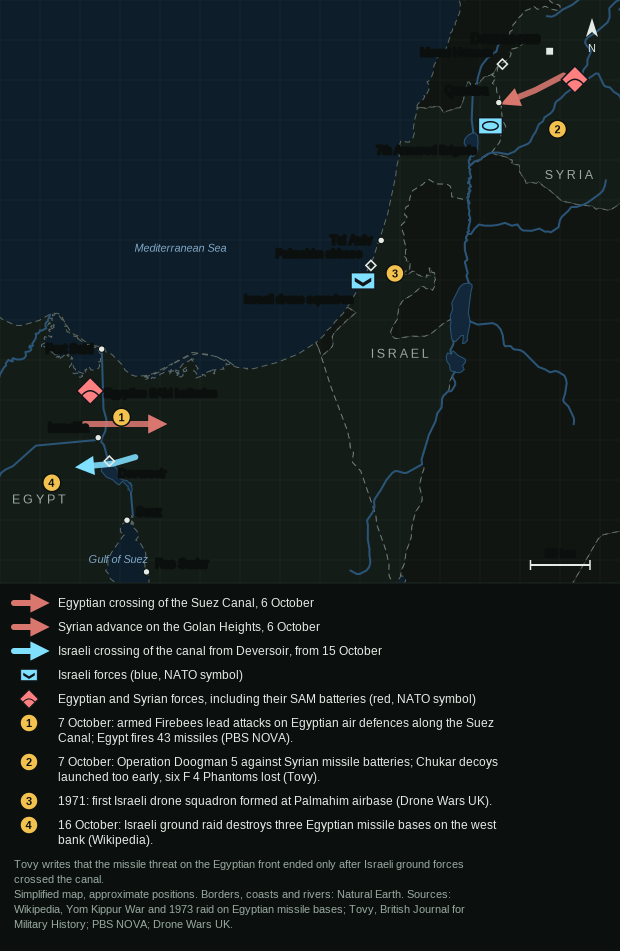
From 6 to 25 October 1973, Israel fought a coalition of Arab states led by Egypt and Syria in the Yom Kippur War, and the Israeli Air Force used Ryan Firebee reconnaissance drones and Northrop Chukar decoy drones against Egyptian and Syrian air defences. Tal Tovy, writing in the British Journal for Military History in 2024, says the decoys were meant to make missile crews switch off their radars or use up their missiles.
What happened
Wikipedia records that the Arab coalition attacked across both frontiers on 6 October. Egyptian forces crossed the Suez Canal in Operation Badr and Syrian forces gained ground on the Golan Heights. After three days Israel halted the Egyptian advance. Wikipedia lists 150 Egyptian surface to air missile batteries, 62 of them on the front line, and says Israeli losses on the Egyptian front reached three aircraft per 200 sorties. Israeli forces later crossed the canal at Deversoir, and a ceasefire on 25 October ended the war. Tovy links Israel's drone programme to the War of Attrition, when Egyptian air defences shot down several Israeli jets.
The drones
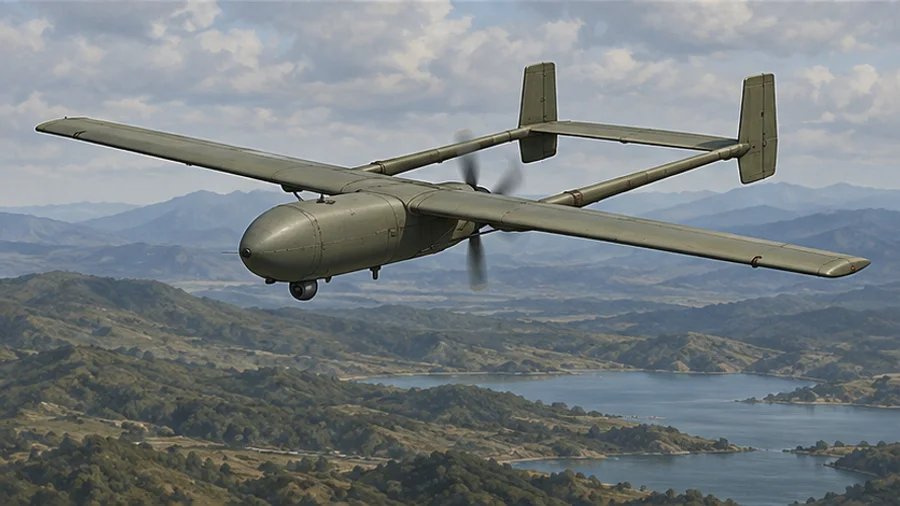
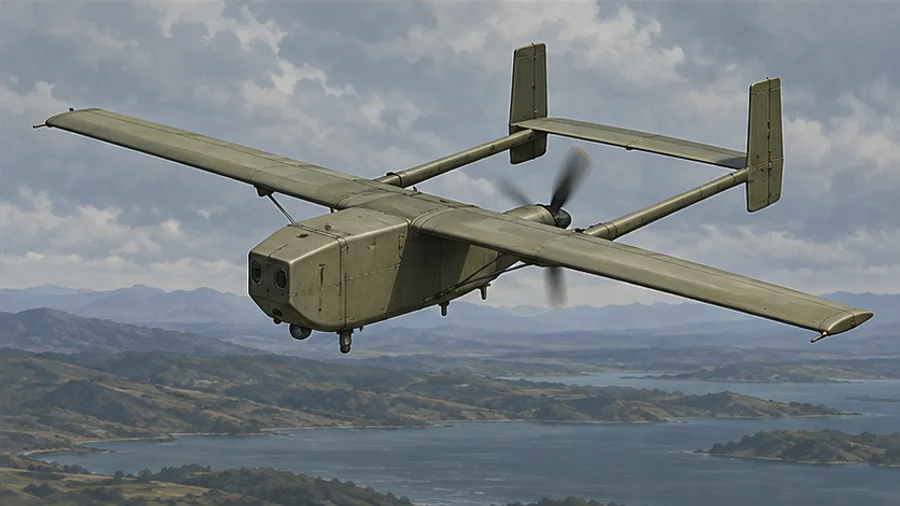
PBS NOVA reports that Israel secretly bought 12 Ryan Firebees from the United States in 1970, modified them and named them Firebee 1241. Drone Wars UK dates the first purchase to 1971 and the first drone squadron to Palmahim airbase near Tel Aviv. Tovy says Squadron 200 flew Firebees fitted with cameras. For the Firebee target drone, Wikipedia lists the BQM 34A at 6.68 m long with a 3.93 m wingspan and a range of 1,281 km. Tovy names the Chukar as the Northrop QBM 74, and Drone Wars UK says 1973 was the first time Israel used Chukar decoys.
How they were used
Tovy writes that the Chukars flew mainly against Syrian defences with two aims: to make radar operators believe they were under air attack and turn their radars off, avoiding anti radiation missiles, and to make the Syrians use up missiles. The air force told Drone Wars UK the Chukars flew towards the Golan Heights and led the Syrians to think a mass strike had begun. Tovy adds that Firebees kept collecting intelligence, while on the Sinai front drones served mainly as decoys. PBS NOVA says that on the second day Israel sent armed Firebees ahead of attacks on Egyptian air defences along the Suez Canal, and that the Egyptians fired their whole stock of 43 missiles at them.
What effect they had
PBS NOVA says the Firebees evaded 32 of the 43 missiles and destroyed 11 with Shrike anti radar missiles. Tovy writes that on 7 October, in Operation Doogman 5, Squadron 200 launched its Chukars too early. The Syrians fired at them, but the strike did not follow in time to catch the missile crews reloading, and the squadron had no decoys left. The strike hit two fixed batteries, no mobile SA 6 batteries, and cost six F 4 Phantoms. Tovy puts total Israeli aircraft losses near 100 and says the missile threat ended only when ground forces crossed the canal and destroyed the sites on the west bank. Israel Aerospace Industries began developing drones in 1974, Tovy records, and its IAI Scout entered service in 1979 beside the Tadiran Mastiff.
Related battles
For the classroom
- Why did Squadron 200 lose its decoys on 7 October, and what did that cost the attack?
- Which fits a decoy mission better: PBS NOVA's 11 destroyed missiles, or Tovy's decoys on the Sinai front?
- Why did the missile threat end only when ground forces crossed the canal, not when the drones flew?
Sources
- Wikipedia: Yom Kippur War
- Defending the Sky: An Historical Analysis of Israeli Drone Use, 1971 to 2014 (Tovy, British Journal for Military History, 2024)
- Firebee 1241, Spies That Fly (PBS NOVA)
- Israel and the Drone Wars (Drone Wars UK, 2014)
- Wikipedia: Ryan Firebee
- Wikipedia: 1973 raid on Egyptian missile bases
Written 2026-10-04.